SEO vs. SEA describes the fundamental difference between organic search engine optimization and paid search engine advertising—in other words, between earned, free visibility and purchased ad placements on Google. SEO gets you into Google results for free through content and technical relevance, while SEA buys you immediate visibility through ads. Both belong to the broader discipline of Search Engine Marketing (SEM), as described by Dreikon.
This article is aimed at founders, marketing decision-makers, and growth leads who need to split their budget between SEO and SEA and want to know which pays off faster. By the end, you will know which strategy fits your current stage and how to combine both effectively.
Spoiler: There is no blanket right answer. There is only the right answer for your specific situation.
Key takeaways
- Both SEO and SEA are part of SEM, Search Engine Marketing—SEO is the organic, unpaid branch, while SEA is the paid one, according to Dreikon.
- Position 1 in the organic results achieves a click-through rate between 27.6% and 39.8%, while individual top ads only reach 1.2% to 2.1% (First Page Sage).
- 61% of B2B marketers state that SEO generates more pipeline and leads than any other channel (DigitalSilk).
- SEO takes 6 to 12 months to build the technical foundation, content clusters, and backlinks before noticeable results arrive.
- SEA delivers traffic from day one of the campaign, but it costs per click; as soon as the budget stops, the visibility disappears too.
SEO vs. SEA: The difference in a single sentence
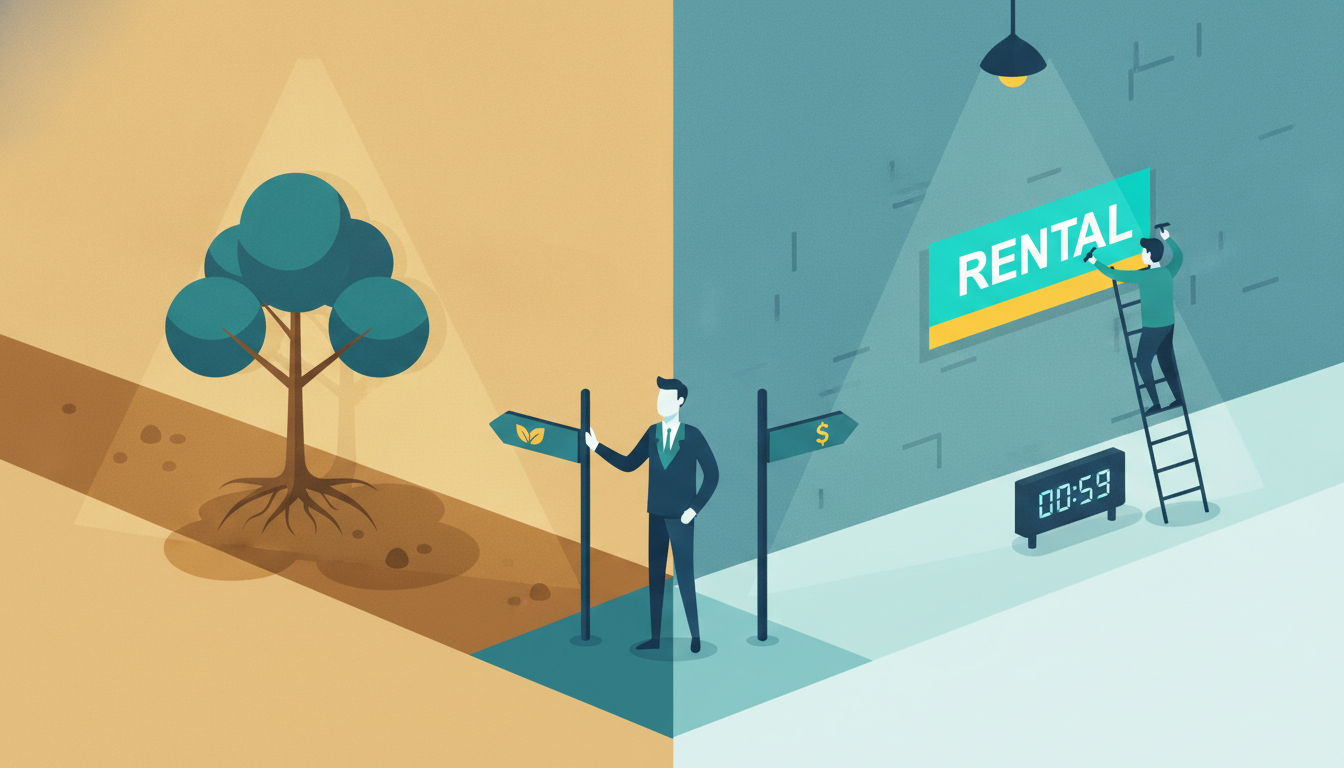
SEO earns you visibility through relevance and patience, whereas SEA buys you visibility through budget and speed. One channel is an asset that grows over time, while the other is a rental fee you pay fresh every month.
Both channels appear on the same search engine results page, but they follow different mechanisms. SEO optimizes content, structure, and technical signals so that Google ranks you organically. SEA auctions off click positions through an auction system like Google Ads—you pay per click, not for the placement itself.
The crucial fallacy of many companies is treating SEO and SEA as competitors instead of two tools for different tasks. Anyone using only one is leaving growth on the table.
SEO and SEA in detail
SEO and SEA differ fundamentally in mechanics, cost structure, and time horizons, even though both pursue the same goal: more qualified search traffic. Understanding both levers enables better budget decisions.
What is SEO?
SEO, short for Search Engine Optimization, is the practice of designing and operating websites so that search engines classify them as relevant to specific search queries—without paying per click. This includes technical factors like page speed and crawlability, content factors like keyword relevance and user intent, and external signals like backlinks.
The big advantage: Rankings built up once continue to work even without a daily budget. The disadvantage: It takes time. Google needs time to crawl, evaluate, and rank new or revised content—usually several months before noticeable movement happens.
Failing to build a solid technical foundation wastes SEO potential right from the start. Our Technical SEO guide for 2026 shows which issues to fix first.
What is SEA?
SEA, short for Search Engine Advertising, refers to paid ads in search engines—mostly via a pay-per-click (PPC) model such as Google Ads or Microsoft Advertising. You bid on keywords, Google auctions the ad slots in real time, and you only pay when someone clicks.
The advantage: immediate visibility, precise target audience control, and results that can be measured within hours. The disadvantage: As soon as the budget ends, visibility ends too. There is no residual value like with an organic ranking.
SEA is especially suited for time-critical promotions, product launches, or quickly testing which keywords and messages actually convert before investing those insights into a long-term SEO strategy.
Costs and ROI: Which is more expensive, SEO or SEA?
SEA costs money directly and continuously per click, whereas SEO costs indirectly through time, content production, and technical work, but pays off over months with declining marginal costs. In the short term, SEA is usually more expensive per customer acquired; in the long term, this often reverses.
The click-through rate makes this difference tangible: organic top results attract between 27.6% and 39.8% of clicks, whereas individual paid top ads capture only 1.2% to 2.1% (First Page Sage). Users click organic results significantly more often than ads, even when both sit at the top of the page.
| Criterion | SEO | SEA |
|---|---|---|
| Time to first results | 3–12 months | Immediate |
| Cost per click | No direct click costs | Ongoing cost per click |
| Effect after campaign ends | Persists | Disappears immediately |
| Click-through rate Position 1 | 27.6–39.8% | 1.2–2.1% |
| Scalability | Limited by content & authority | Limited by budget |
| Control over message | Indirect via content | Direct via ad copy |
For B2B companies, the calculation is especially clear: 61% of B2B marketers say SEO brings more pipeline and leads than any other channel (DigitalSilk). This does not mean SEA is useless—it means SEO is often the stronger lever for sustainable growth in a B2B context.
When does SEA pay off, and when SEO?
SEA pays off when you need immediate revenue or data; SEO pays off when you want to build predictable growth over months and years. Both statements are true at the same time—the question is not "either/or," but rather "what first, what in parallel."
SEA is best suited for:
- Time-limited promotions, discounts, or product launches
- Rapidly testing new keywords or target audiences before producing content for them
- Markets where you lack organic presence and need immediate revenue
- Retargeting visitors who have already shown interest
SEO is best suited for:
- Topics with stable, recurring search demand
- Building brand authority over longer periods
- Cost control when advertising budget is limited
- International expansion where you want to be found permanently in multiple markets
A proven approach described in several practical guides is the bridge strategy: you launch SEA campaigns from day one to generate pipeline immediately and validate conversion rates, while concurrently investing 6 to 12 months into technical health, content clusters, and backlinks for SEO (Bang, Incremys, Pardott). SEA bridges the waiting time until SEO takes hold.
How to combine SEO and SEA in 5 steps
SEO and SEA can be systematically combined by using SEA data to inform SEO decisions and SEO content clusters to run cheaper SEA campaigns. This saves duplicate work and accelerates learning about what actually converts.
- Start SEA on your most important revenue keywords to immediately collect data on click-through rates, conversions, and cost per lead.
- Analyze after 4 to 8 weeks which keywords and ad copies convert best—these are your top SEO candidates.
- Build targeted content for these validated keywords instead of writing on a hunch. A clean SEO analysis process helps set priorities on a technically sound basis.
- Gradually reduce SEA budget on keywords once organic rankings for them sit stably in the top 5.
- Shift the freed-up budget to new, untapped keywords or markets and repeat the cycle.
This cycle works especially well during international expansion because it shows you per market which search terms actually lead to inquiries before you produce native content at scale.
SEO, SEA, and GEO: What changes with AI search engines?
GEO, Generative Engine Optimization, is the practice of optimizing so that AI answer engines like ChatGPT, Gemini, and Perplexity cite your brand in their answers. Neither SEO nor SEA guarantees this visibility automatically because AI systems evaluate content differently than traditional ranking algorithms.
AI Overviews and generative answers are already changing how SERPs look and how clicks are distributed—a factor that serious SERP analyses explicitly plan for in 2026. For you, this means SEO content today must not only be written for Google rankings, but must also be clear, dense with facts, and citable enough for an AI to use as a source.
In this new environment, SEA does not buy presence in AI answers—there, success depends entirely on whether your content is native, understandable, and trustworthy enough to be cited. This is precisely where UPGeoSEO comes in: automated SEO and GEO analysis, native multilingual content instead of clunky translation, and real tracking of AI citations rather than inflated vanity scores.
Companies wanting to grow internationally should think about technical SEO foundations and GEO visibility together from the start. A solid starting point is a technical SEO audit for 2026 that covers both perspectives.
Frequently asked questions
Is SEO or SEA better for launching a new business?
For a launch, a combination is usually best: SEA delivers immediate traffic and initial customer data while SEO is built in parallel, since SEO takes 3 to 12 months to take effect. Relying solely on SEA means losing visibility the moment the budget stops.
What does SEO cost compared to SEA?
SEA costs money directly per click and only runs as long as you pay, whereas SEO requires investments in content, technology, and time without incurring ongoing click costs. Over months, the effective cost per visitor in SEO often drops significantly, whereas in SEA it remains relatively constant.
Can you use SEO and SEA at the same time?
Yes, combining both channels is standard practice because both belong to the overarching discipline of Search Engine Marketing (SEM). SEA data reveals which keywords convert, and these insights flow directly into the SEO content strategy.
How long does it take for SEO to work?
Initial measurable movements usually show after 3 to 6 months, and noticeable traffic growth after 6 to 12 months, depending on competition, technical baseline, and content quality. New domains or highly competitive niches tend to take longer.
What is SEM and how does it relate to SEO and SEA?
SEM, Search Engine Marketing, is the overarching term for all measures aimed at visibility in search engines and encompasses both SEO as the organic, unpaid branch and SEA as the paid branch. Both channels pursue the same primary goal—more qualified search traffic—just using different means.
Your next step: Free SEO and GEO audit
You do not have to weigh SEO against SEA without knowing your own numbers. An audit shows you in black and white where your website stands technically, which keywords are worth targeting organically, and where AI answer engines are already citing you—or not.
UPGeoSEO analyzes your website automatically, writes native content for international markets instead of clumsy translations, publishes it directly to your CMS, and tracks real AI citations in ChatGPT, Gemini, and Perplexity. You set the direction, and we take care of the execution on autopilot.
Start with a free SEO and GEO audit and see within minutes where the biggest growth levers lie for your markets.